
Learn how to adjust a Solidor door hinge safely and easily. Fix alignment issues, stop sticking latches, and keep your composite door closing perfectly.
What You’ll Learn:
- Why Solidor doors go out of alignment
- The essential tools needed for adjusting a Solidor door hinge
- Step-by-step hinge adjustment guide for height, lateral, and compression fixes
- Simple maintenance to keep your Solidor hinge running smoothly year-round
(Estimated Reading Time: 5-6 Minutes)
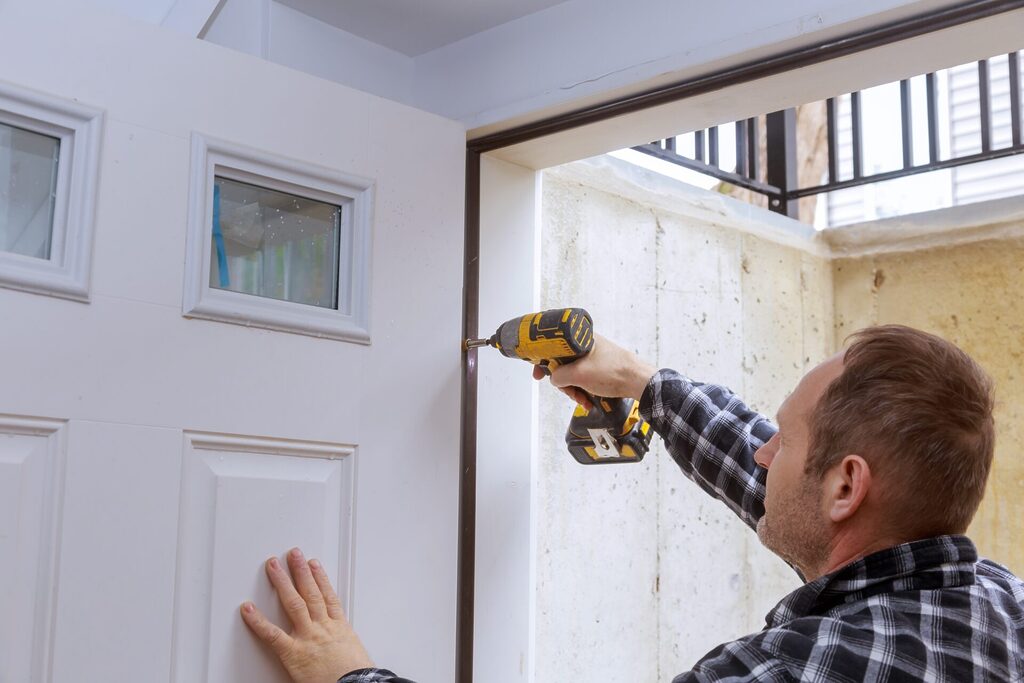
Intro: A tiny tweak that saves a big headache
Even the best doors move a touch with seasons and use.
If your Solidor scrapes the sill, the latch won’t catch cleanly, or a faint draught has crept in, it’s almost always a simple alignment issue—not a failure.
The good news: Solidor’s adjustable flag hinges make correction fast and controlled. With a 4 mm Allen key you can fine-tune height, lateral position, and compression in minutes, restoring a smooth close, an even reveal, and a tight seal—no door removal, no special kit, just a calm, methodical tweak.
1. Why doors go out of alignment (and why it’s nothing to panic about)
Every Solidor door leaf is heavy — up to 60kg for certain styles like the Harlech or Ludlow. That solid timber core gives unbeatable security and feel, but it also means gravity and temperature play a part over time.
You’ll usually spot early signs of misalignment when:
- The latch doesn’t click cleanly into place.
- The door scrapes the sill or weatherstrip.
- The top or bottom edge has a slightly uneven gap.
It’s perfectly normal, especially after the first few seasons. The fix is easy — all you need is the right tool and a careful hand.
2. Tools you’ll need
- 1 x 4mm Allen key (hex key)
- Spirit level
- A clean cloth
- A little silicone spray (optional for hinge lubrication)
That’s it. No special kits or hinge removal needed. All Solidor composite doors use fully adjustable flag hinges, meaning you can tweak height, compression, and lateral position directly.
3. Step-by-step: Adjusting your Solidor hinge
Step 1 – Identify hinge type
Solidor doors typically use Mila Pro Secure or ERA Challenger flag hinges. Both allow for:
- Height adjustment: up/down
- Lateral adjustment: left/right
- Compression: how tight the door seals against the gasket
If you’re unsure, open your door and check for the small screw cover cap — that’s where your Allen key fits.
Step 2 – Support the door
Before adjusting, wedge a small book or folded cloth under the door to take its weight. This prevents pressure on the hinge screws.
Step 3 – Height adjustment (door dropping or dragging)
- Locate the vertical adjuster screw (usually top of hinge).
- Turn clockwise to lift the door, anticlockwise to lower.
- Adjust in ¼-turn increments — slow and steady.
Check alignment by closing the door after each adjustment.
Pro tip: Adjust all three hinges equally to keep pressure even.
Step 4 – Lateral adjustment (door catching on latch or frame)
If the latch side is tight, move the door slightly away from the frame:
- Locate the lateral screw on the hinge body.
- Turn clockwise to move the door toward the hinge side, anticlockwise to move it toward the latch side.
Do one hinge at a time — usually the middle hinge needs the smallest tweak.
Step 5 – Compression adjustment (draughts or stiff closing)
To adjust seal tightness:
- Locate the compression screw (inner side of hinge barrel).
- Turn clockwise to tighten the seal, anticlockwise to loosen.
Check that the door still closes smoothly — overtightening can flatten gaskets prematurely.
Step 6 – Test and fine-tune
After adjustments, open and close the door several times. The latch should engage smoothly, and the gaps around the door should look even.
If the hinges creak, add a touch of silicone spray and wipe clean.
4. The dos and don’ts of DIY hinge adjustment
Do:
✔ Use the correct Allen key size (4mm)
✔ Adjust in small increments
✔ Support the door’s weight during adjustment
Don’t:
✘ Force a stiff screw – if it won’t budge, spray and wait
✘ Over-tighten compression – you’ll crush the gasket
✘ Ignore ongoing issues – if it drags heavily or won’t align, call your installer
5. When to call the pros
If your door needs more than a few millimetres of correction, or if you notice hinge screws starting to strip, stop.
That’s when to call in a professional — and if you bought through Timber Composite Doors, we can help.
Our team can relevel, reseal, and refit your Solidor back to perfect alignment — often in under 30 minutes.
There’s a difference between a quick tweak and a full refit, and knowing which is which is part of owning a premium product.
6. How to prevent future issues
Preventative care is easy and takes less than five minutes twice a year:
- Clean hinges with a soft cloth and warm water.
- Apply a tiny drop of silicone lubricant.
- Avoid slamming or leaning on the open door (a common hinge killer).
Seasonal expansion and contraction are normal — think of it as the door breathing. Keeping hinges clean and lubricated helps them handle it effortlessly.
Conclusion: The five-minute fix that keeps your door perfect
Owning a Solidor means owning a door that’s built for life — but every great piece of engineering deserves a little maintenance.
A simple hinge adjustment can extend your door’s lifespan, improve energy efficiency, and keep it closing like the day it was installed.
🛒 Browse online: www.timbercompositedoors.com
📞 Or Call us: 01642 309576 for expert advice
In a rush? Why not contact us via Whatsapp
Browse Our Articles
- Solidor vs Rockdoor: The 2026 Winner
- Solidor Door Prices: What You’re Really Paying For
- Solidor Design a Door
- Trade Solidor Composite Doors: looking for trade prices? Visit our trade site, The Trade Village
FAQ’s
How often should I adjust a Solidor hinge?
Most doors won’t need it often—maybe once in the first year as the leaf settles, then rarely after that.
Which way do I turn the screws?
Generally: clockwise to lift (height) or tighten (compression), anti-clockwise to lower or loosen. Make small ¼-turn adjustments and test.
Will adjusting compression affect draughts?
Yes—too loose can cause draughts, too tight can flatten gaskets and make closing stiff. Aim for a smooth close with a gentle, even seal.
What if the latch still won’t catch after adjustment?
Realign laterally a touch more, then check the strike plate on the frame—it may need a tiny nudge so the latch enters cleanly.
